Film photography is making a massive comeback, and 35mm point-and-shoot film cameras are leading the way! Whether you're a beginner looking for your first vintage camera or a seasoned photographer rediscovering the magic of 35mm film, this guide answers the most searched questions about film cameras.
1. What Is the Best 35mm Point-and-Shoot Film Camera?
Choosing the best 35mm camera depends on your needs, budget, and shooting style. Here are some of our top picks:
For Beginners:
-
Pentax Espio 115M – Affordable, easy to use, sharp lens.
-
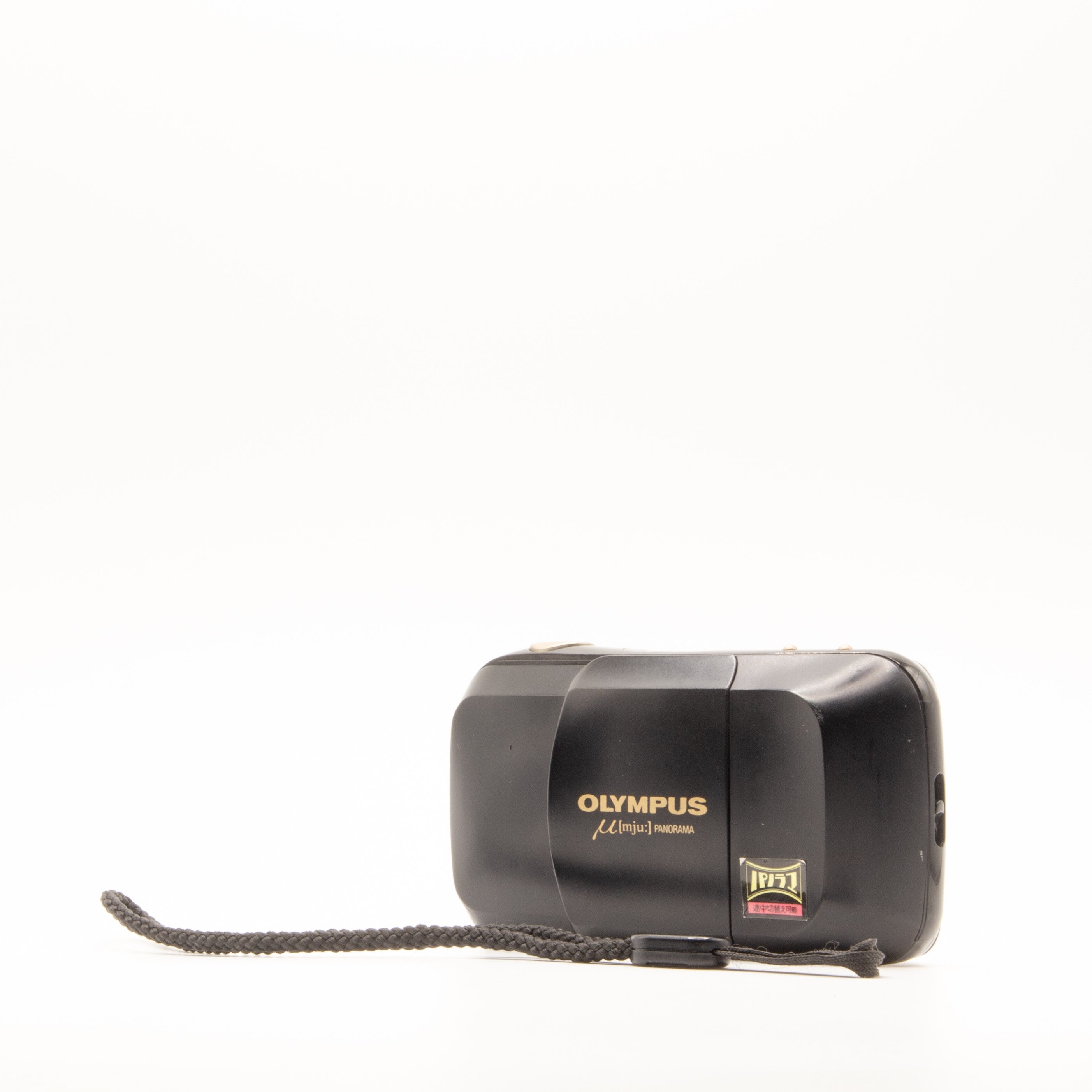
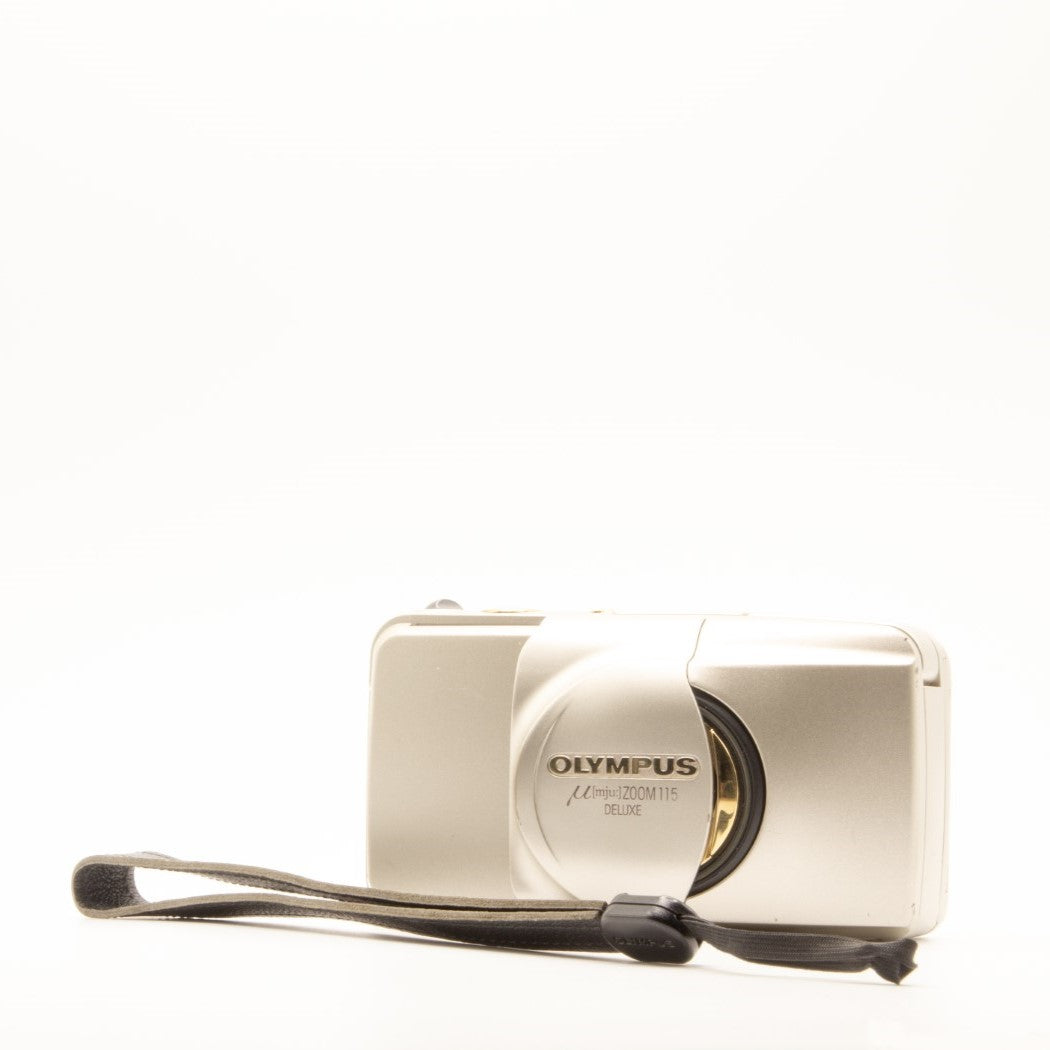
Olympus Mju Zoom – Compare the exact zoom model, lens range and condition notes. Keep vintage cameras dry; do not rely on original weather resistance.
Fixed-lens comparison: Olympus MJU II or Yashica T4?
Both cameras use a fixed 35mm lens, rather than a zoom. That means the framing is similar from the same position. Move closer or farther away to change what fills the photograph; neither camera gives you a zoom control.
The fixed-lens Olympus MJU II has a maximum aperture of f/2.8. The Yashica T4 has a Carl Zeiss Tessar T* 35mm f/3.5 lens. The MJU II's wider maximum aperture is a real specification difference, but it is not a promise that every photograph will be brighter or sharper. These cameras use automatic exposure; the camera's settings, film, light and condition all matter.
| What to compare | Fixed-lens Olympus MJU II | Yashica T4 |
|---|---|---|
| Lens | 35mm f/2.8 | Carl Zeiss Tessar T* 35mm f/3.5 |
| Framing | Fixed focal length, no zoom | Fixed focal length, no zoom |
| Operation | Autofocus and automatic exposure | Autofocus and automatic exposure |
Compare the individual cameras before choosing a model. Read the condition notes, look closely at the photographs and check the current price, availability and battery requirement. Keep vintage cameras dry and do not rely on their original weather resistance.
Compare the current Olympus MJU II and Yashica T4 listings alongside the grading guide. This comparison is about the fixed-lens MJU II and the T4, not an MJU zoom or a different T-series model.
Specifications: Olympus original MJU II specification and the Yashica T4/T4D instruction manual (Main Specifications).
Budget-Friendly Options:
-
Olympus AF-1 Twin – Affordable, simple and reliable 35mm film camera.
-
Minolta Capios 150s – Cheap but reliable vintage camera.

2. Are 35mm Film Cameras Still Being Made?
Yes! While most vintage cameras are discontinued, some brands still produce 35mm film cameras today:
-
Kodak Ektar H35 – A half-frame film camera for more shots per roll.
-
Ilford Sprite 35-II – A simple, reusable 35mm camera.
-
Lomography Cameras – Fun, experimental cameras like the Lomo LC-A+.
3. Where Can I Buy 35mm Film?
You can find 35mm film online and in select stores. Here are some great places to shop:
-
Online: The 35mm Club, Amazon, eBay, Lomography
-
Local Camera Shops: Check film stores near you
-
Compare current film listings: See Kodak Gold 200, 36 exposures and Kodak UltraMax 400, 36 exposures. Check each listing's expiry information, pack quantity, current price and availability before buying.

4. How Much Does It Cost to Develop 35mm Film?
Compare the same film process and service when budgeting. Processing only, processing with digital scans, and processing with prints are different purchases.
As one Australian example checked on 28 October 2026, Hillvale's published price list lists 35mm C-41 colour processing at A$12 for negatives only, A$19 with standard digital scans, or A$25 with large digital scans, including GST. These are illustrative external lab prices, not The 35mm Club's fees or a national average. Check the lab's current prices and inclusions before ordering.
- Confirm the process your film needs and whether digital scans or prints are included.
- Check scan size, negative collection or return postage, and any extra-service charges.
- Budget for the film roll as well as processing, scans and any delivery costs.
5. What’s the Difference Between 35mm and Other Film Formats?
-
35mm Film: The most common, easy to develop, widely available.
-
120 (Medium Format) Film: Larger negatives, higher quality, more expensive.
-
Instant Film: Like Polaroid, provides instant prints.
6. How Do I Load Film Into a 35mm Camera?
First check whether a roll is already inside, using your camera's film window or the checks in its manual. Do not open the back just to find out: light can damage film that has not been rewound. If you are unsure, keep the back closed and ask a camera shop or film lab for help.
- Once you have confirmed the camera is empty, open the back in subdued light. Avoid touching the shutter, lens or internal mechanisms.
- Insert a compatible 35mm cartridge as shown in the exact model's manual.
- Extend only enough leader to reach that camera's loading mark or take-up mechanism. Loading marks and manual threading arrangements vary.
- Close the back and complete the model's loading sequence. An automatic compact may advance the film for you; a manual-advance camera needs its own procedure.
- Check the model-specific loading indication. Many automatic compacts show frame 1, but the display and error symbols vary. Do not reopen a loaded camera to check that it worked.
Before removing a partly used or finished roll, follow the camera's rewind procedure and confirm it has finished before opening the back. If it jams or will not rewind, do not force the mechanism or open it in daylight; ask a film lab or repairer for help.
For a clearer step-by-step guide, we have created a how-to-load film guide here!
7. Which 35mm Camera Is Best for Beginners?
Start with how you want to frame a photo, rather than a model name or the lowest advertised price. Automatic focus and exposure can simplify your first roll, but the lens range and individual camera's condition still matter.
For a wider view: The Canon Autoboy Luna has a 28–70mm zoom lens. Its 28mm end lets you include more of a room or group from the same position than a lens starting at 38mm. It uses automatic focus and exposure.
For a longer zoom: The Olympus MJU III 120 has a 38–120mm zoom lens with automatic operation. Choose this range if changing to a tighter frame matters more to you than starting at 28mm. It is a different camera from the fixed-lens MJU II compared above.
These are model examples, not a promise that every grade is available. Check current availability, the exact condition notes, battery requirement and what is included. You can also compare the point-and-shoot collection before choosing your first camera.

8. Why Are 35mm Film Cameras So Expensive Now?
Several factors have increased the prices of vintage film cameras:
-
Increased demand – More people are rediscovering film photography.
-
Limited supply – Many cameras are no longer produced.
-
Hype from influencers and celebrities – Popular models like the Contax T2 skyrocketed in price due to celebrity use.
9. What Are the Best Film Stocks for 35mm Photography?
Your choice of film affects your final images. Here are some great options:
For Vibrant Colors:
-
Kodak Portra 400 – Warm tones, great for portraits.
-
Fujifilm Superia X-Tra 400 – Bold colors, contrasty look.
For Black & White:
-
Ilford HP5 Plus 400 – Classic grainy look.
-
Kodak Tri-X 400 – Rich contrast, iconic film.
For a Vintage Look:
-
Lomography Color 800 – Retro-style colors.
-
Cinestill 800T – Inspired by Hollywood film stock.
10. How Long Does 35mm Film Last Before Expiring?
- Start with the package: Follow the film's printed storage instructions and expiry date for the best results. There is no single extra number of years that applies to every roll.
- Before use: Keep film in its original sealed packaging in a cool, dry place, away from hot cars. If you refrigerate film, let the sealed package reach room temperature before opening it to reduce condensation.
- After shooting: Arrange processing promptly rather than leaving exposed film undeveloped for long periods.
- Expired film: Results depend on the film type, age and storage history. Sensitivity, contrast and colour balance can change. Where possible, test a roll from the same batch before relying on the rest; usable results are not guaranteed.
See Kodak's storage and care guidance and Fujifilm's film handling, storage and expiry advice for manufacturer recommendations.
Final Thoughts
Shooting with a 35mm point-and-shoot camera is a rewarding experience that blends nostalgia with creativity. Whether you’re new to film or a seasoned pro, there’s a camera and film stock that fits your style.
Shop Film Cameras & Accessories
Looking for the perfect 35mm camera or fresh film stock? Check out our curated collection of vintage cameras, film rolls, and accessories in our store. Start your film photography journey today!
Explore More:
🔹 Shop 35mm Cameras
🔹 How to Travel with a Film Camera
🔹 Follow us on Instagram
Happy shooting! 📸