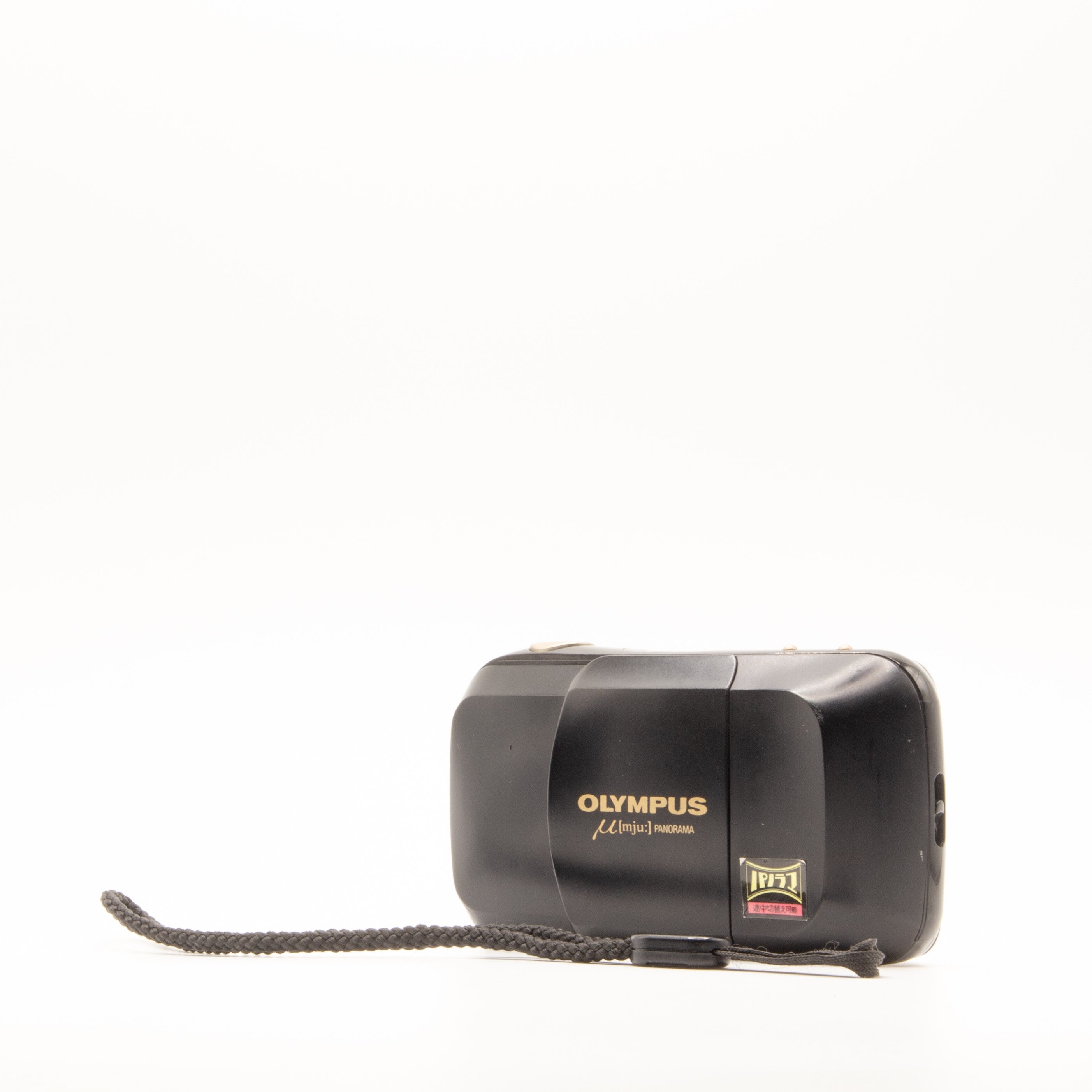
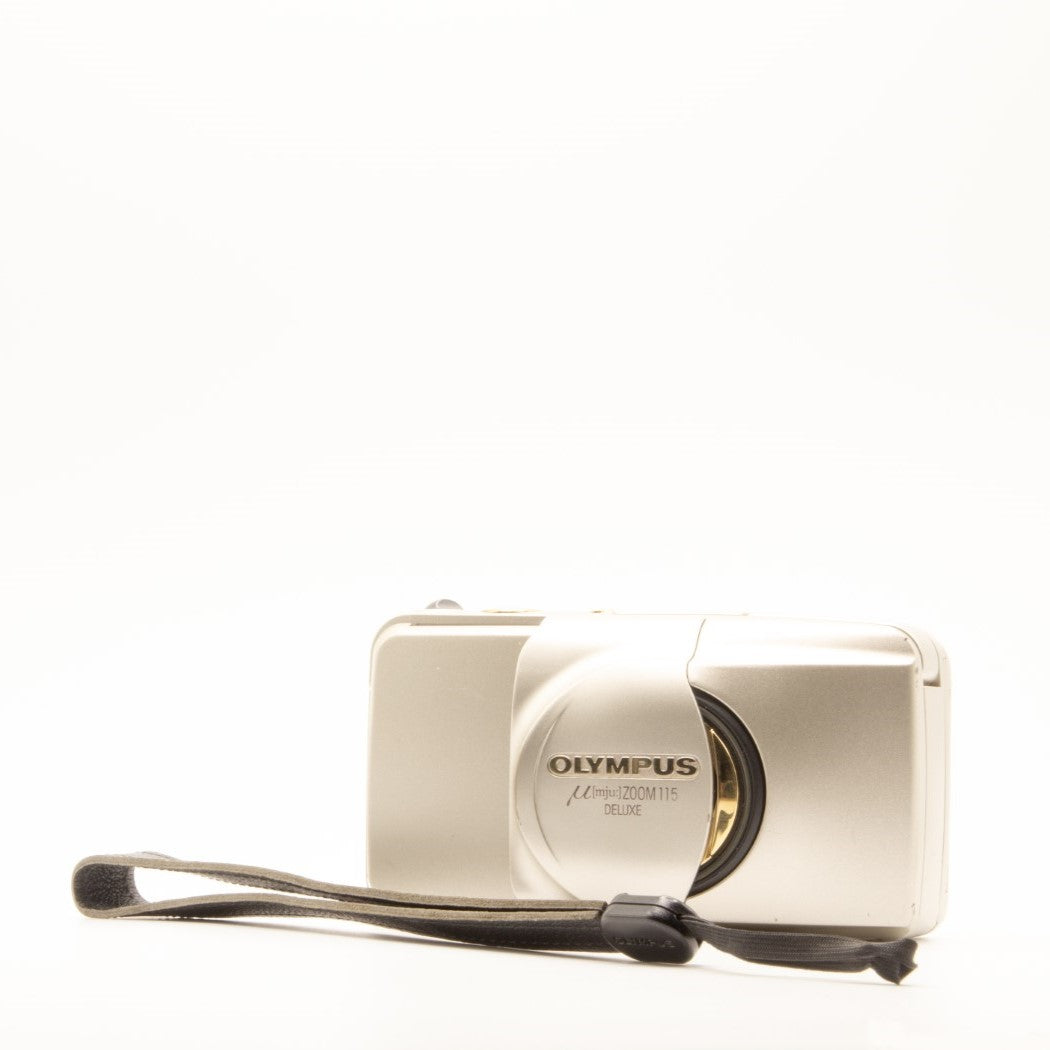
Film photography is experiencing a resurgence in popularity, and many beginners are venturing into this timeless medium with 35mm film cameras. If you're new to film photography, you're likely to have some common questions. In this guide, we'll address these queries to help you embark on your analog photography journey with confidence.
Q: What is a Point-and-Shoot Film Camera?
A: A 35mm point-and-shoot film camera is a compact, user-friendly camera that uses 35mm film to capture images. It's called "point-and-shoot" because it typically requires minimal adjustments, making it great for beginners. Just aim, focus, and press the shutter button.

Q: Where Can I Buy 35mm Film and Get It Developed?
A: You can buy 35mm film from our store! As for development, many local photo labs and shops still offer film processing services. Additionally, there are mail-in services and DIY home development kits available.
Q: How Do I Load Film into My Camera?
A: First check whether there is already film in the camera. Do not open the back if you are unsure: opening it can expose pictures already taken. Check the film window, counter and your model's instructions.
With an empty camera, follow its manual for loading. Some compact cameras take up the film automatically when you place the leader at the indicated mark and close the back. Other cameras need the leader attached to a take-up spool and advanced manually. Do not assume the same steps work for every model. Check the camera's loading indicator or frame counter before taking your first photograph. If loading fails, stop and consult the manual rather than forcing the mechanism. Read our guide to load film correctly here.

Q: How Do I Focus My Camera?
A: To focus on your subject, typically, half pressing your shutter button will instruct your 35mm film camera to focus on your desired subject. As seen below, most film cameras will give some type of indication in the viewfinder that your camera is focused and ready to fire.

Q: What Are Exposure Controls, and Do I Need to Adjust Them?
A: Point-and-shoot cameras are designed for simplicity, often with automatic exposure settings. You usually don't need to adjust the aperture or shutter speed manually. The camera's built-in light meter calculates the exposure for you.
Q: How Many Shots Can I Take on One Roll of Film?
A: Most 35mm film rolls offer 24 or 36 exposures, depending on the film format. Be mindful of your shots to make the most of each roll.

Q: How Do I Know When to Rewind the Film?
A: Many automatic compacts rewind at the end of a roll, but not all cameras work this way. Keep the back closed until your camera's indicators confirm rewind has finished, following the instructions for that exact model. Motor noise stopping or resistance alone is not universal proof that the film is safely inside its cassette.
For a manual-rewind camera, follow its rewind-release and crank instructions. Never force a stuck advance lever or rewind crank. If the film will not rewind, leave the back closed and ask a film lab or camera technician for help.
Q: Can I Use Flash with My Point-and-Shoot Camera?
A: Many point-and-shoot cameras have built-in flashes. Follow your camera's manual to understand flash modes and when to use them, especially in low-light situations. Typically, most 35mm film cameras have automatic exposure settings, and depending on the shooting environment, the camera will automatically activate/deactivate the flash.
Q: How Do I Care for My Camera and Negatives?
A: Keep your camera clean and store it in a dry place. Having protective camera cases can help protect your camera. Likewise, having a camera strap attached to your 35mm film camera ensures that it is safely secured at all times, as it can prevent your camera from being dropped and damaged.
As for negatives, store them in archival sleeves or albums away from humidity, heat, and direct sunlight to preserve them over time.

Q: Can I Control Shutter Speed and Aperture?
A: Typically, point-and-shoot cameras have automatic exposure settings, so you won't have direct control over shutter speed and aperture. These cameras are designed for ease of use, with the camera making exposure decisions for you. If you want manual control, consider more advanced film cameras.
Q: How Can I Protect My Exposed Film?
A: Keep the camera back closed until the film is fully rewound as specified in its manual. A dim room is not a safe substitute for keeping unprocessed film protected from light. Once the roll is safely inside its cassette, store it away from heat and moisture and arrange processing. If the camera jams, do not open it to investigate; a film lab can advise on protected removal.
Q: Where Can I Find Film and Accessories?
A: Film photography supplies, including 35mm film rolls, are still widely available. We have plenty of 35mm film and film camera accessories for sale in our store!

As a beginner in film photography, don't be afraid to experiment and learn from your mistakes. The beauty of film photography lies in its unpredictability and the unique character it brings to your images. With your 35mm point-and-shoot camera, you'll embark on a creative journey filled with surprises and discoveries. Enjoy the process, and let your passion for photography grow with each roll of film you shoot!
Shop Film Cameras & Accessories
Looking for the perfect 35mm camera or fresh film stock? Check out our curated collection of vintage cameras, film rolls, and accessories in our store. Start your film photography journey today!
Explore More:
🔹 Shop 35mm Cameras
🔹 Best 35mm Film Cameras & Tips
🔹 Follow us on Instagram
Happy shooting! 📸