The Short Answer
- Mostly shooting outdoors in daylight? Grab a roll of ISO 200 colour negative film, like Kodak Gold 200 or Kodak ColorPlus 200.
- Travelling, shooting indoors, or never sure what the weather will do? Go ISO 400 with Kodak UltraMax 400. It is the more forgiving all-rounder.
- Either way: stick to fresh colour negative film for your first few rolls. It is cheap, easy to get developed and very hard to ruin.
You've got your first 35mm camera. Now you're standing in front of a wall of little yellow boxes wondering what all those numbers mean. Good news: choosing your first roll of 35mm film is much simpler than it looks, and you really only need to know one number.
We know our film, but we're not going to make you feel dumb for asking. Here's the plain-English version.
What Does ISO Mean on 35mm Film?
ISO is simply how sensitive the film is to light. A higher number means the film needs less light to make a good photo. A lower number needs more light but usually gives you finer grain (that speckled film texture) and smoother detail.
For beginners, that comes down to two popular choices: ISO 200 and ISO 400.
ISO 200 vs ISO 400 Film: What's the Real Difference?
ISO 400 is twice as sensitive as ISO 200, which gives you one extra stop of light to play with. In real life, that means:
- ISO 200 has slightly finer grain and looks fantastic in bright sun. It's the classic holiday-snaps film.
- ISO 400 copes better with cloud, shade, movement and late-afternoon light, and it relies on your flash a little less.
Worth knowing: photographer Anton Domin of Blurry Frames points out that correct exposure usually matters more than picking the lowest possible ISO, because underexposed fast film can look grainier than properly exposed slower film. In other words, don't stress over grain. Pick the film that matches your light.
Pro Tip: If you're torn, buy one roll of each and shoot them side by side on the same day. It's the quickest (and most fun) way to learn what you like.
Which 35mm Film Is Best for a Point-and-Shoot Camera?
Most 35mm point-and-shoot cameras have a small, slow-ish lens and an automatic flash. That's why many beginner guides call ISO 400 the safest general-purpose starting point: it adapts to changing light and leaves you less likely to run out of light halfway through a roll.
That said, plenty of beginners love ISO 200 for sunny travel days. Here's how our three beginner-friendly Kodak colour films stack up.
Kodak Gold 200: The Warm, Nostalgic Classic
If you picture a "film look" in your head, it probably looks like Kodak Gold 200 35mm film. It's a colour negative film known for vibrant, true-to-life colours, fine grain and good sharpness, and it's a lovely choice for sunny days, beach trips and street scenes.

Photo: The 35mm Club
Kodak ColorPlus 200: The Budget-Friendly Starter
Kodak ColorPlus 200 is a versatile, affordable ISO 200 colour negative film, which makes it perfect for burning through your first few rolls while you learn. It suits outdoor shooting in natural light as well as indoor shots with flash.

Photo: The 35mm Club
Kodak UltraMax 400: The Do-It-All Pick
Kodak UltraMax 400 has a wide exposure range for varied lighting, with fine grain, accurate colours and skin tones that look great in portraits. If your camera is going on a trip, into a bag for the weekend, or to a dinner where the lighting is unpredictable, this is the one to pack.

Photo: The 35mm Club
Quick Chooser: Match the Film to Your Day
- Sunny day out, beach, market or road trip: ISO 200 (Gold 200 or ColorPlus 200).
- Cloudy, mixed weather or a day that moves from outdoors to indoors: ISO 400 (UltraMax 400).
- Evening, indoors or hard to predict: ISO 400, and let your flash do the rest.
- Absolute first roll, no idea where to start: UltraMax 400. It's the hardest to get wrong.
Pro Tip: Colour negative film is very forgiving if you accidentally overexpose it, so when in doubt, give it a bit more light rather than less.
Beginner Mistakes to Skip
- Buying expired film as your first roll. It's a gamble, and you won't know whether a weird result is your camera or the film. Start fresh.
- Choosing film for the "look" alone. Pick the film that suits your light first. Style comes later.
- Forgetting to load it properly. Our step-by-step guide on how to load 35mm film into your film camera takes about two minutes to read and can save a whole roll.
- Leaving the roll in a hot car. Heat is film's enemy. Keep it cool and out of direct sun.
Don't Have a Camera Yet?
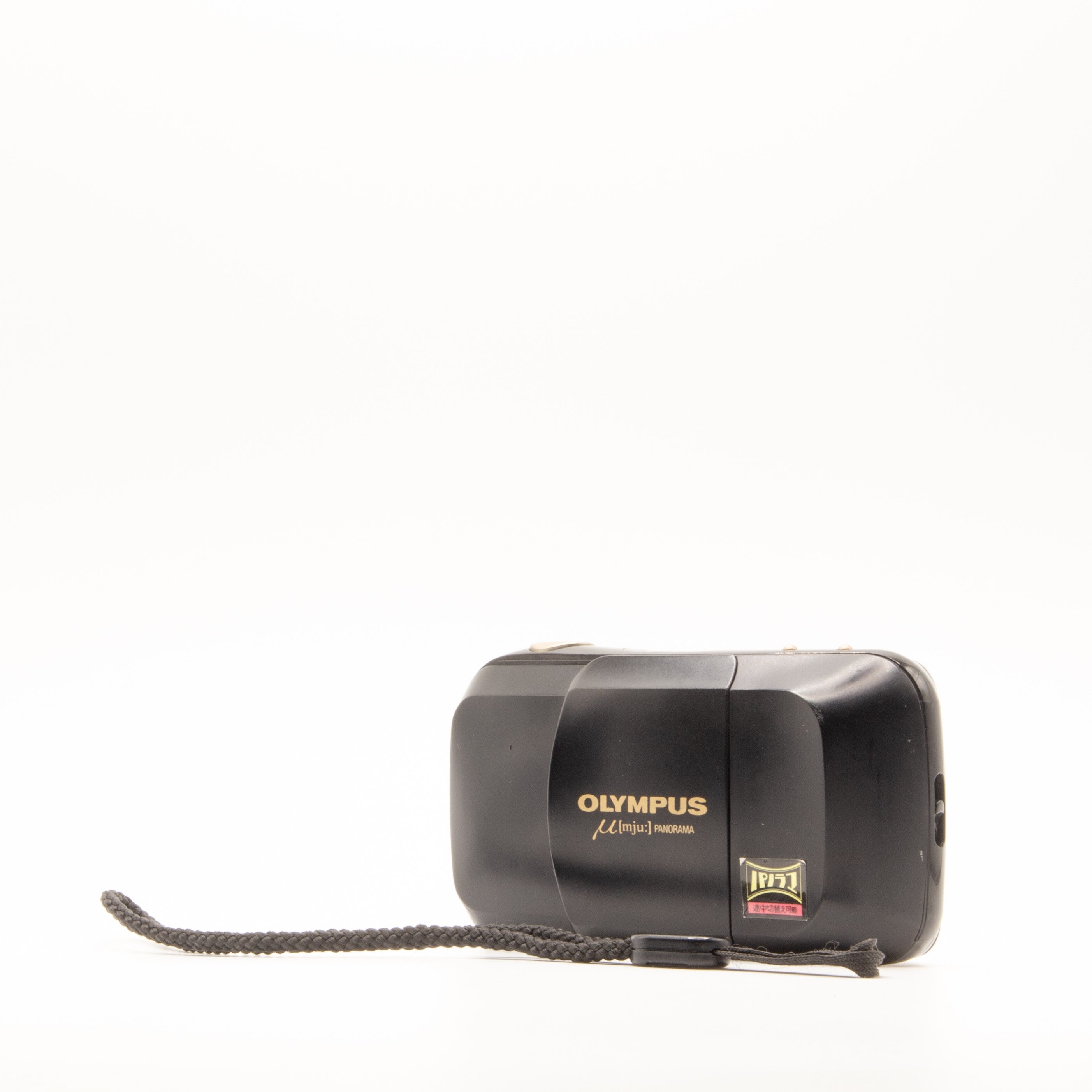
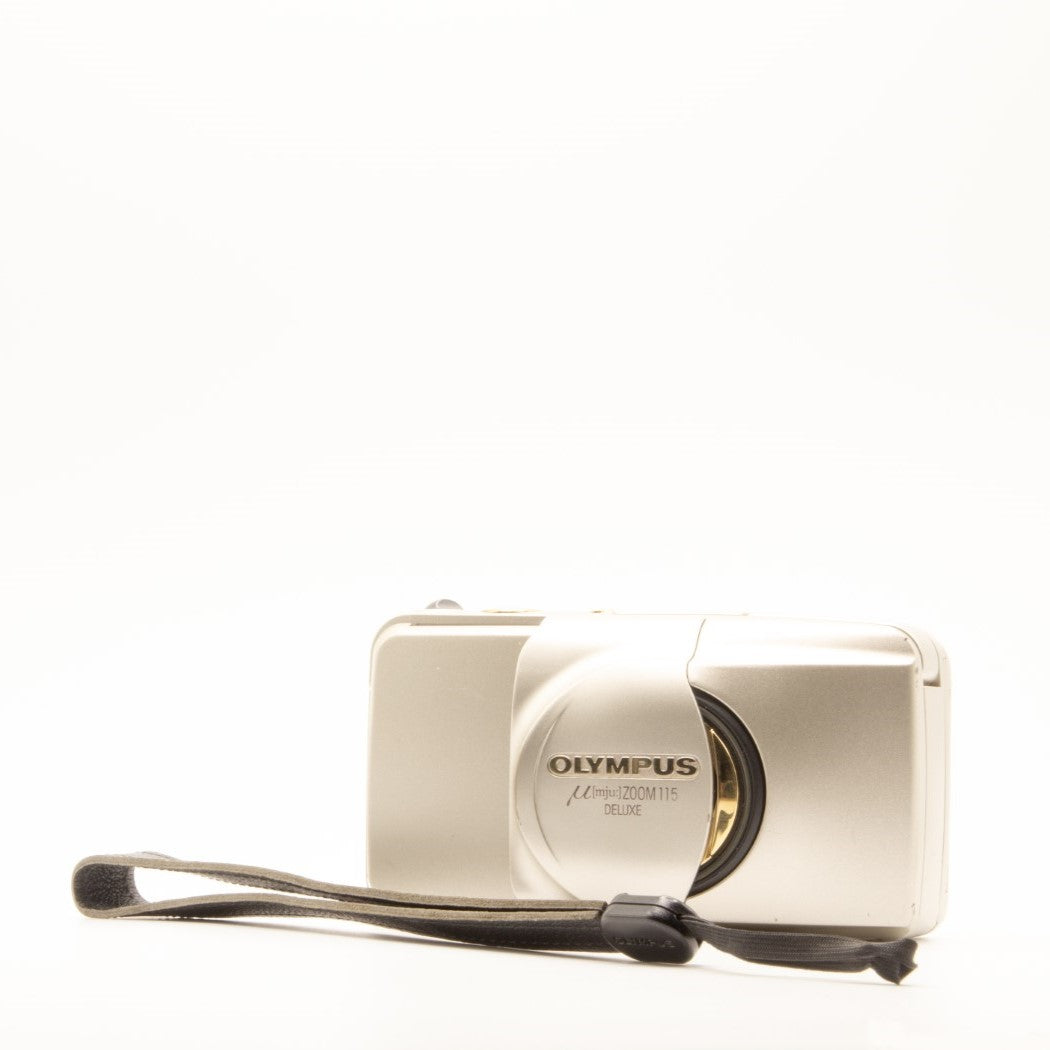
The right film is only half the story. Every film camera in our film cameras collection is a compact point-and-shoot that's easy to learn on, and favourites like the Olympus MJU II make a brilliant first vintage camera. Pair it with a roll or two from our 35mm film collection and you're ready to shoot.
FAQ: Choosing Your First Roll of 35mm Film
Is ISO 400 too fast for a sunny day?
Not at all. Most point-and-shoot cameras automatically adjust to the light, and colour negative film handles a little extra light well. ISO 200 may give slightly finer grain, but ISO 400 will still look great.
How many photos are on a roll of 35mm film?
Our rolls have 36 exposures, which is plenty for a weekend away or a few weeks of everyday snaps.
Do I need to develop 35mm film myself?
No. Most beginners drop their roll off with a lab to be developed and scanned. Colour negative film is the easiest type to get processed.
Ready to Load Your First Roll?
Pick your ISO, pick your Kodak, and get shooting. Browse the full 35mm film collection and snap back to reality!